Skip to main content Scroll Top

Tuberculosis, also called TB, is a serious infectious disease that mainly affects the lungs.

The germs that cause tuberculosis are a type of bacteria (Koch bacilli).

TB is curable, but it can be serious if it isn’t treated with antibiotics.

Access to TBC dispensaries and hospitals, diagnostic investigations for suspected TBC cases, as well as TBC treatment and monitoring, are free of charge for everyone in Romania, regardless of insurance status.

How is tuberculosis transmitted?

Tuberculosis can be transmitted through the air when a person who is ill coughs, sneezes, speaks or sings, releasing tiny droplets that contain the bacteria.
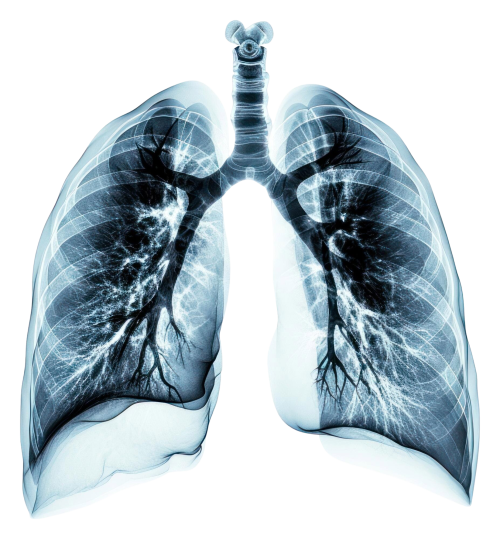
png-xray-picture-lungs-white-background-radiography-tomography
Other people can become infected if they inhale these droplets, which may reach the lungs.

TBC is not usually spread by shaking hands, sharing food/drinks, or touching surfaces.

Risks of TBC infection
Certain living or working conditions can make it easier for TBC to spread from one person to another. These factors increase the risk of TBC infection:

TB – from infection to disease

After they reach the lungs, TB bacilli are surrounded by the body’s defence cells, which limit their multiplication and, in most cases, force them into an inactive (latent) state.
Not everyone infected becomes ill: